

The First Pick: Why AsaJu Starts the Legend
Every harvest has a beginning. At Subarashii Kudamono, ours begins with AsaJu—a distinctive early-season Asian Pear and one of the first tastes of the season from our Pennsylvania orchard.
Delicate, refreshing and unlike an ordinary pear, AsaJu sets the stage for the exceptional varieties that follow.
Meet AsaJu: An Early-Season Asian Pear
AsaJu is one of Subarashii Kudamono’s exclusive Asian Pear varieties, each with its own unique flavor, texture and personality.
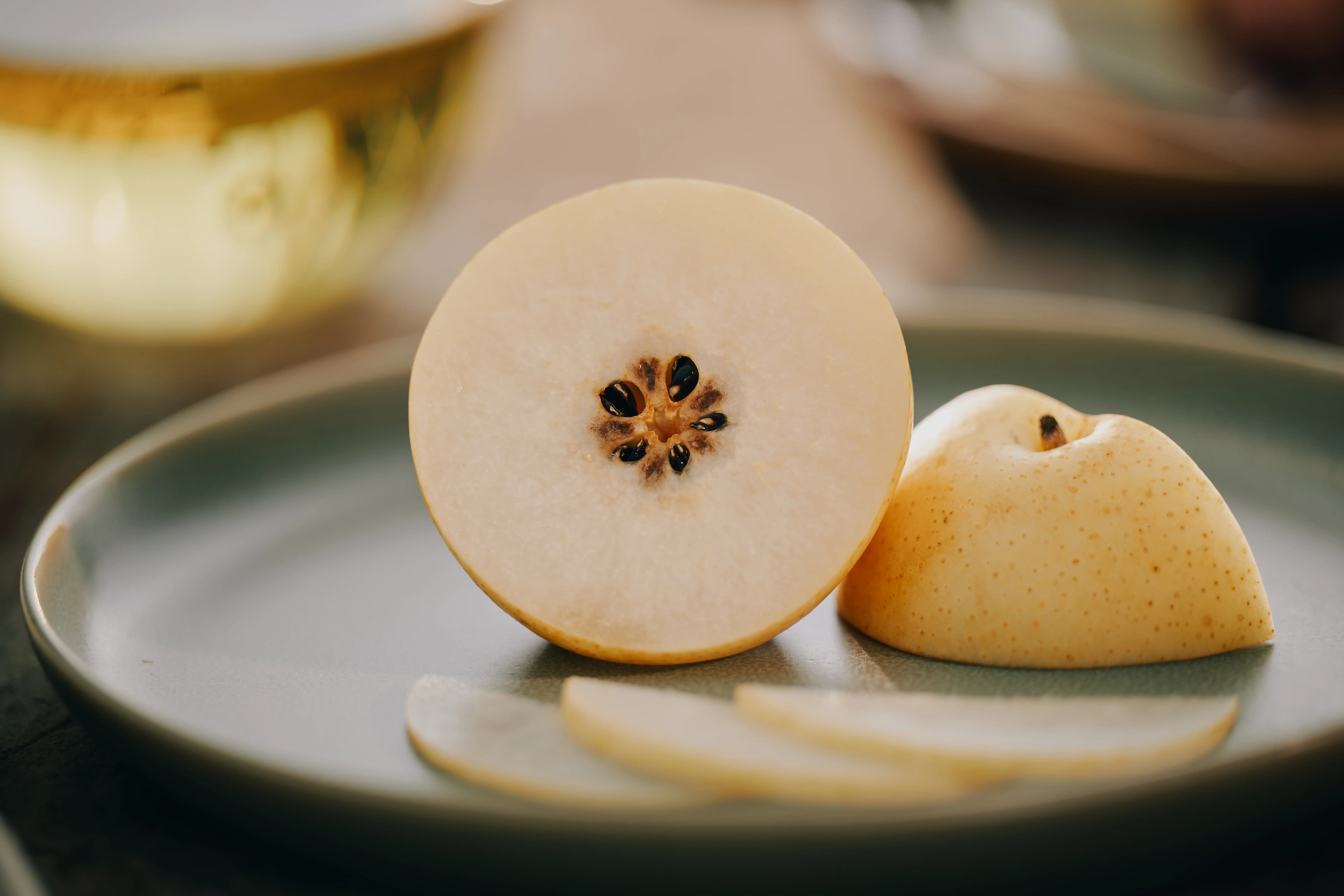
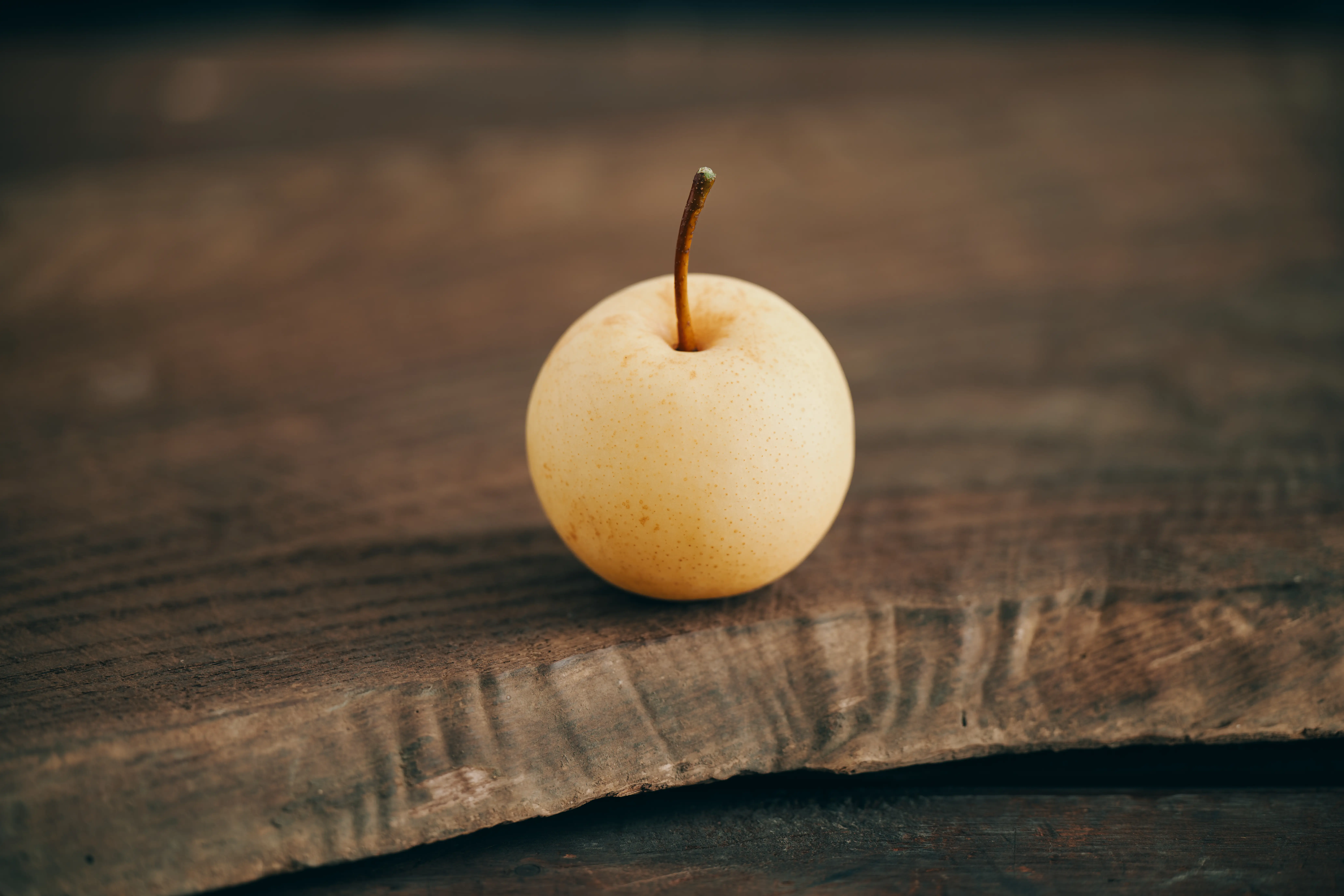
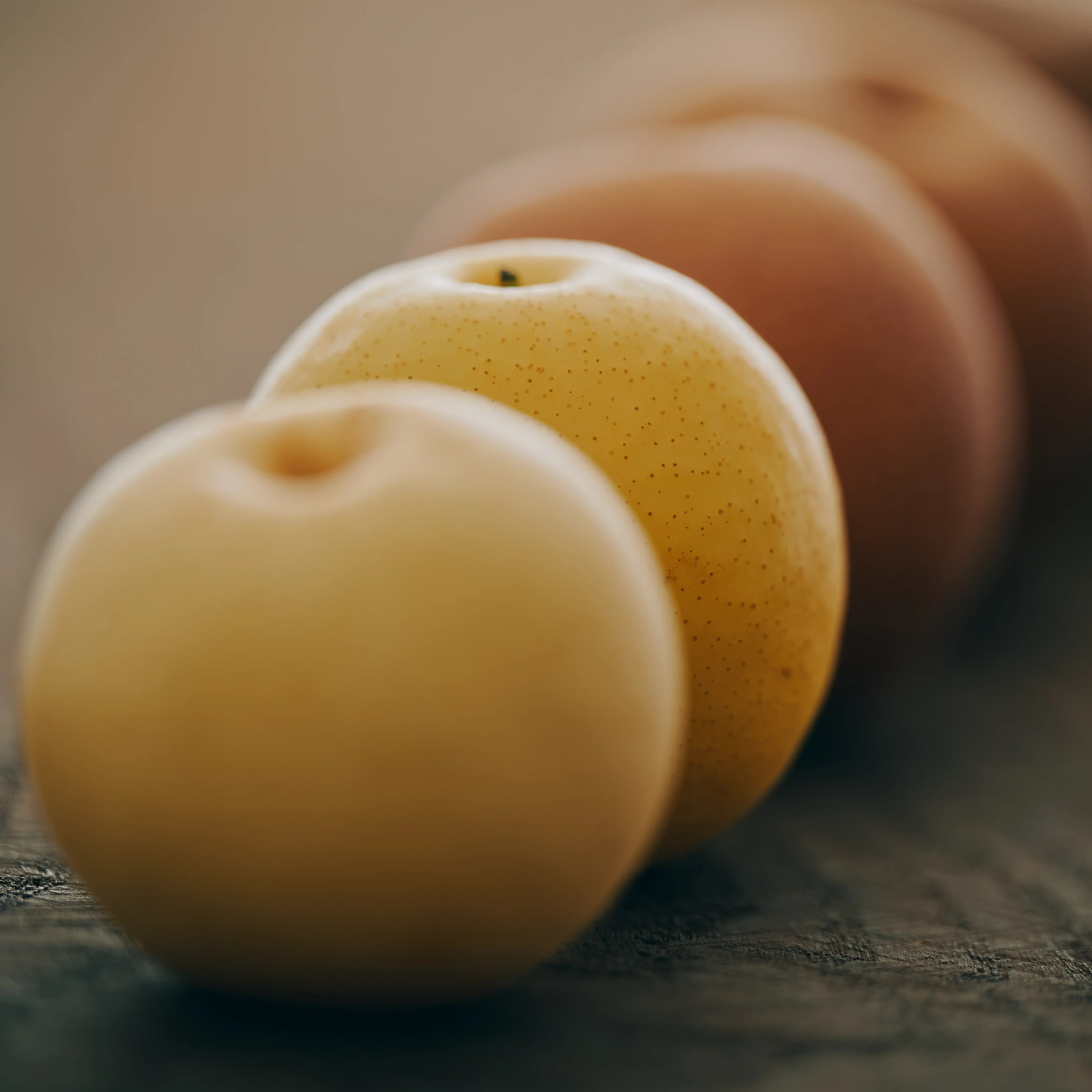
One of the earliest varieties of our harvest season, AsaJu offers a subtle and sophisticated flavor with hints of crisp, un-oaked Chardonnay, honeydew melon and plum. Its tender texture is surrounded by an exceptionally thin, Champagne-colored skin.
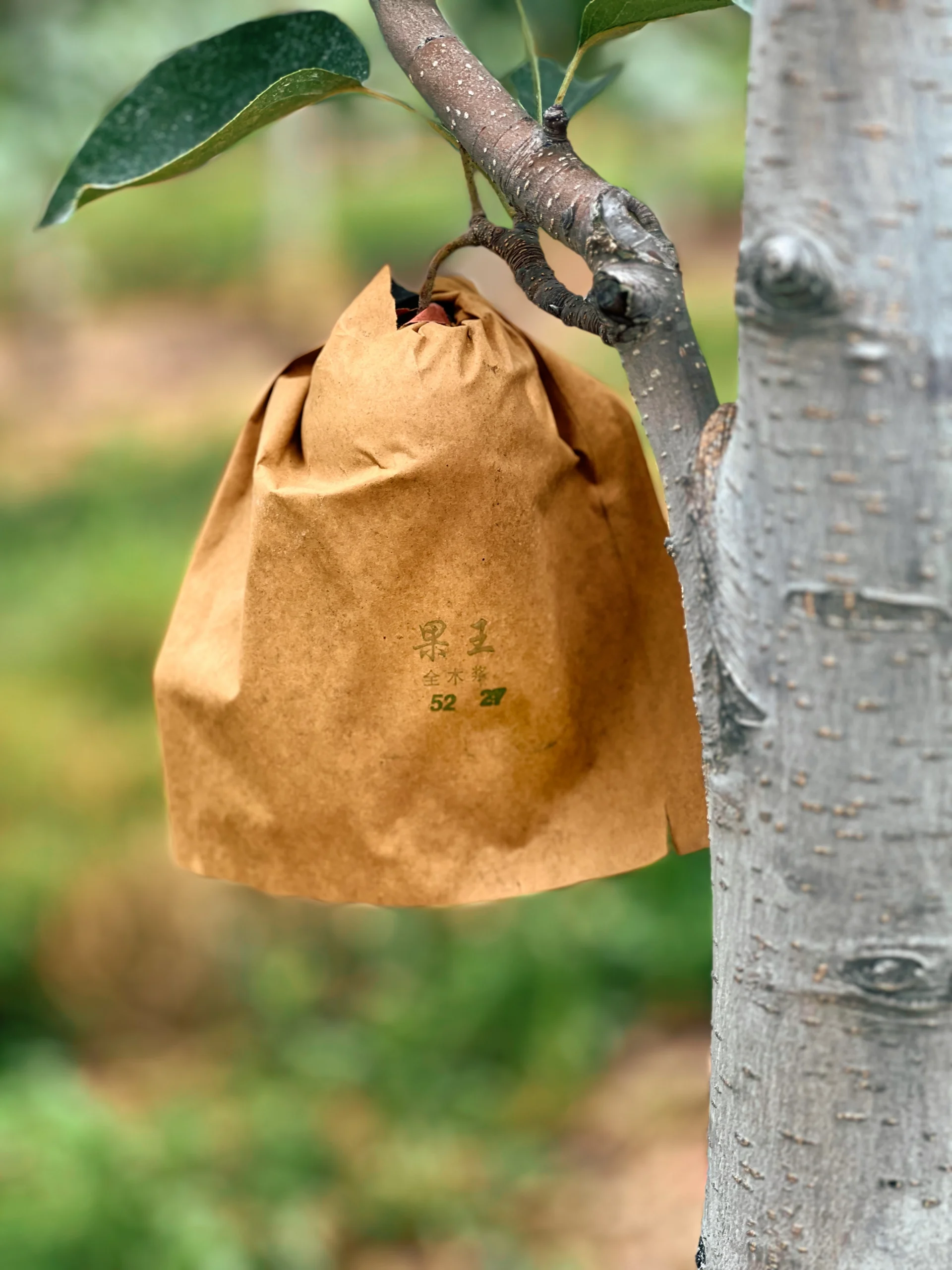
During most growing seasons, each young AsaJu pear is individually placed in a wax-lined bag while it is still growing on the tree. As the fruit develops throughout the summer, this extra care helps create AsaJu’s distinctive paper-thin skin and luminous champagne finish.
It’s a pear that looks every bit as special as it tastes.
What Makes AsaJu Different?
Asian Pear varieties can differ considerably in flavor, texture, color and harvest timing, and AsaJu has a personality all its own.
Its delicate skin and tender bite distinguish it from some of the crisper, deeper-flavored varieties that arrive later in the season. AsaJu’s subtle Chardonnay, melon and plum notes make it an especially refreshing introduction to the harvest.
And because it is among the first varieties picked, its arrival signals something we look forward to all year: fresh Asian Pear season has begun.
When Are Asian Pears Ripe?
If you’re accustomed to buying traditional European pears, you may be used to bringing them home firm and waiting several days for them to soften.
Asian Pears are different.
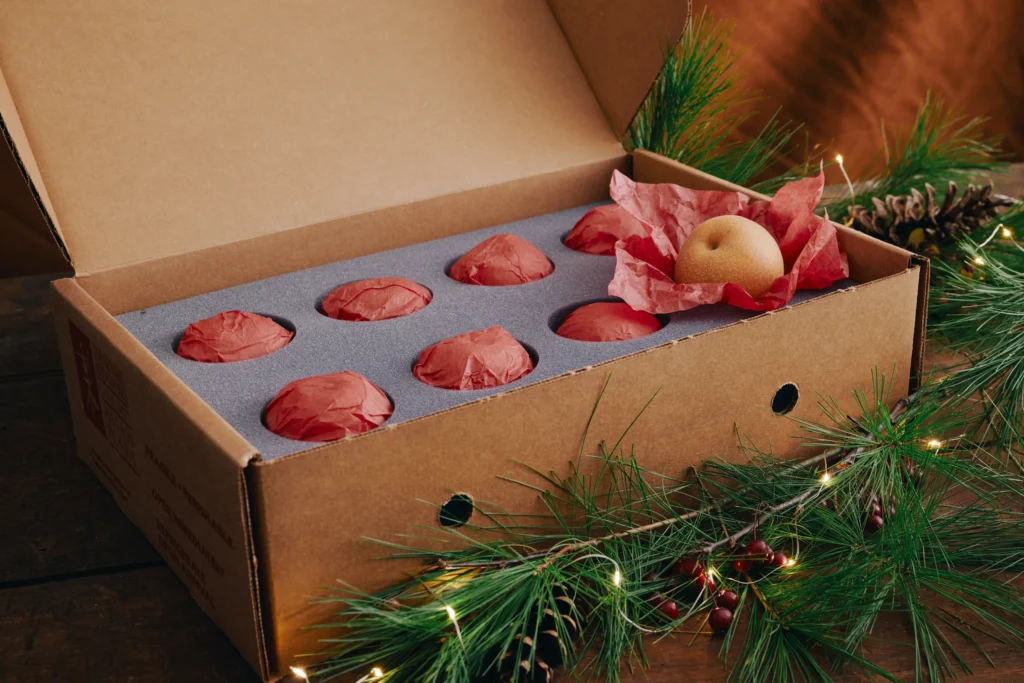
They ripen on the tree and are picked when they’ve reached their ideal flavor and sweetness. At Subarashii Kudamono, our pears are hand-picked at peak sweetness so they’re ready to eat when they arrive at your door—crisp, juicy and full of flavor.
There’s no need to leave an AsaJu on the counter waiting for it to soften before enjoying it. And being ready to eat doesn’t mean you have to enjoy them all right away. When kept refrigerated, Asian Pears can maintain their flavor and texture for several weeks.
Do Asian Pears Ripen After Picking?
Unlike European pears, Asian Pears do not continue to ripen after harvest.
That’s why harvest timing matters so much. Each pear needs time on the tree to develop the flavor, sweetness and texture that make it ready to enjoy.
Once picked, that ideal flavor is preserved, so you can enjoy the pear right away or keep it refrigerated for later.
How to Enjoy AsaJu
AsaJu is delicious on its own, especially chilled, when its delicate flavor and juicy texture can take center stage.
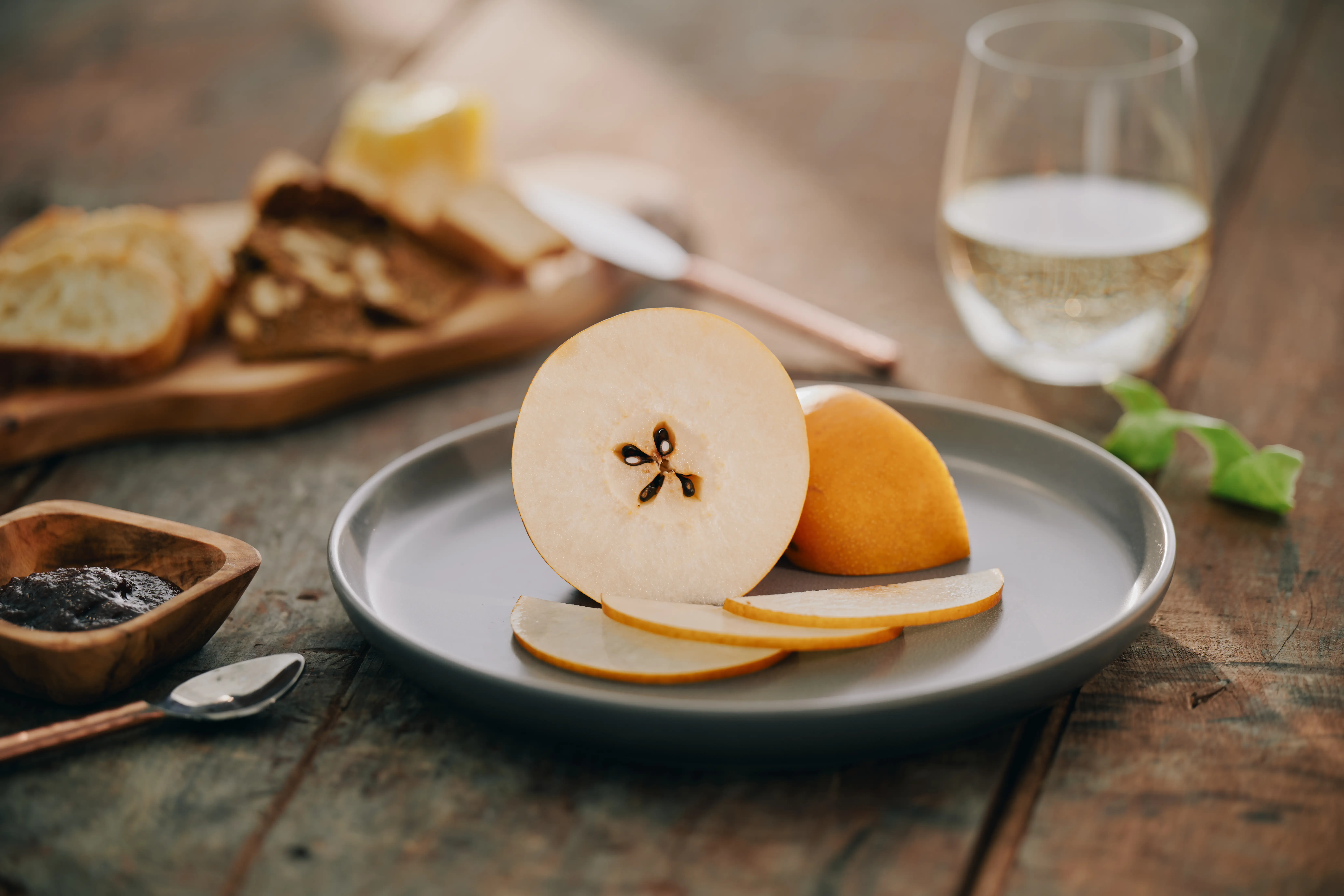
It tastes great with or without the peel. Like other Asian Pears, the skin is edible, and AsaJu is especially known for its remarkably thin, delicate skin.
For an easy pairing, try AsaJu alongside chèvre, dried apricots and figs, water crackers or lightly smoked nuts. Its Chardonnay and melon notes also make it a beautiful addition to a cheese board, seasonal gathering or simple afternoon snack.
Of course, sometimes the best way to enjoy the first pear of the harvest is the simplest: slice it, take a bite and let the fruit speak for itself.
The First Taste of the Harvest
For us, AsaJu is more than an early-season Asian Pear. Its arrival marks one of the moments we look forward to most each year: the beginning of another Subarashii Kudamono harvest.
From the first AsaJu picked from the tree to the varieties that follow throughout the season, every pear reflects the care, patience and attention that goes into growing truly exceptional fruit.
And every year, the legend begins with the first pick.
Ready to taste the harvest? Shop Subarashii Kudamono Asian Pears online and discover which varieties are available now.